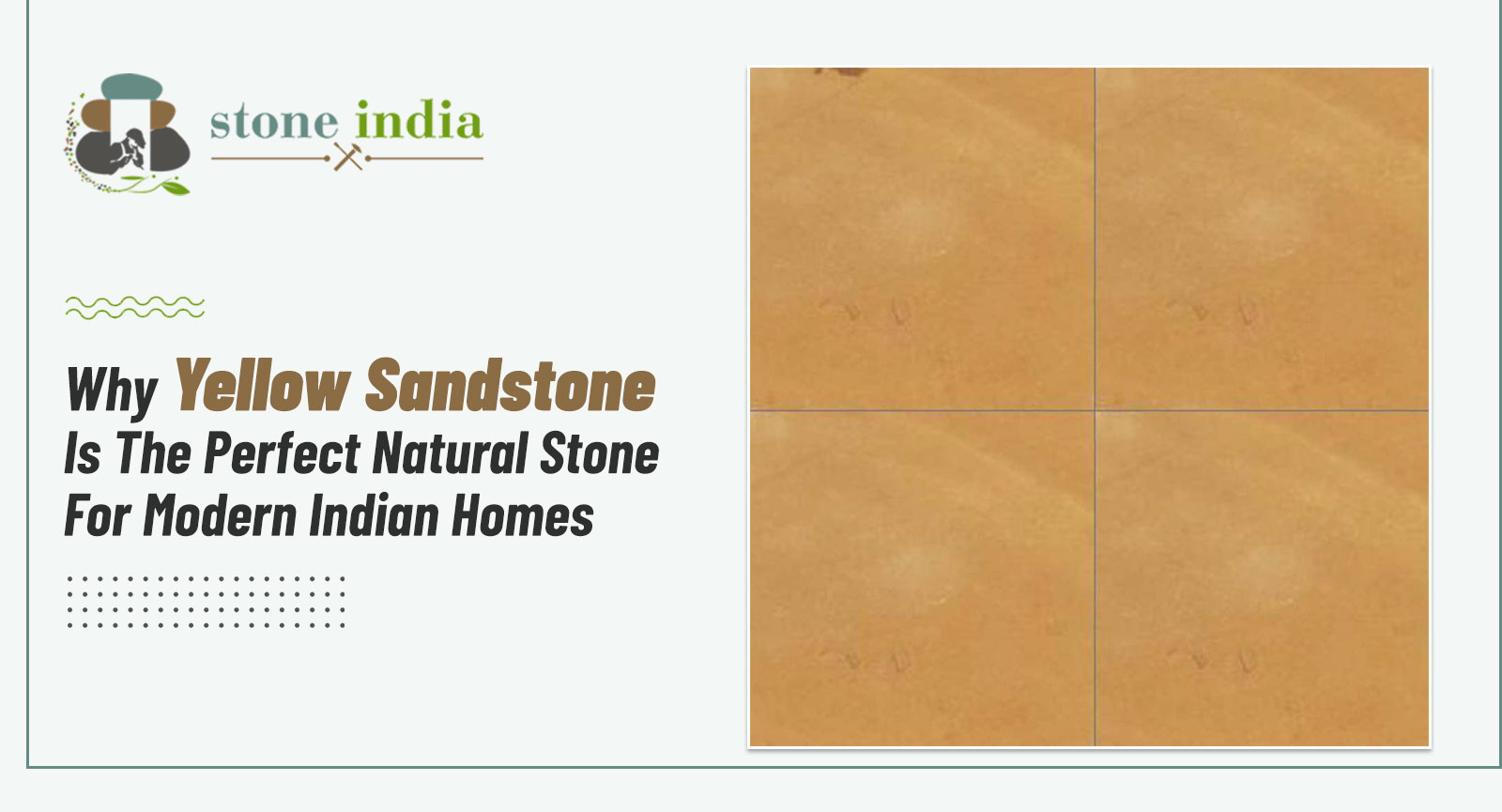
Real stone has a special feel that other materials do not. Yellow Sandstone is popular because it is very strong and has a warm, golden color. This color makes a space feel cozy and friendly. It lasts a long time and works well in any weather.
In this article, we aren’t just going to give you the sales pitch. We’re going to look at:
- The Source: Where this stuff actually comes from (it’s more than just a quarry).
- Getting Creative: How to use it without making your house look like a museum.
- The Price Tag: What you’re actually going to pay for quality.
- The Upkeep: How to keep it looking great without spending every weekend scrubbing it.
An Overview of Yellow Sandstone’s Physical and Mechanical Properties
Builders really trust yellow sandstone because it’s so reliable. Its properties of yellow sandstone make it tough enough to handle any kind of weather, from cold to burning heat, without any problems. It just works, and it lasts.
- It’s a powerhouse: It can take a lot of weight and pressure without any issues.
- Handles the elements: Whether it’s baking in the sun or getting soaked by rain, it doesn’t wear down.
- Keeps walls “healthy”: Because it’s naturally breathable, it helps prevent moisture from getting trapped inside.
Color Variations and Surface Finishes
Choosing the right surface finish can completely change how the yellow sandstone looks and functions in your space:
- Natural Split: Features a rugged, earthy texture, perfect for rustic outdoor paths.
- Honed: A smooth, matte surface that brings a clean, modern feel to indoor flooring.
- Polished: Adds a gentle shine that makes the natural mineral patterns pop.
- Brushed or Sandblasted: Provides extra grip and texture, making it a safe choice for pool decks or bathrooms.
Yellow Sandstone vs Marble vs Granite
| Feature | Yellow Sandstone | Marbel | Granite |
| Surface Grip | Naturally slip resistant | Slippery when polished | Moderate grip |
| Visual Tone | Warm and earthy | Luxurious and smooth | Bold and crystalline |
| Cost | Moderate | High | Medium High |
| Maintainance | Easy with sealing | Requires regular care | Low maintenance |
| Outdoor Stability | Excellent | Limited | Very good |
Price of Yellow Sandstone in India (2026)
If you’re looking at sandstone in India, the price really fluctuates based on the thickness, the finish you pick, and which quarry it’s sourced from. Here’s a quick breakdown of what you’ll likely spend:
- Basic Paving: ₹25 – ₹60 per sq. ft.
- Top tier Calibrated Stone: ₹60 – ₹120 per sq. ft.
- Higher for carved or customised architectural pieces
Installation Thickness Guide
Choosing the correct thickness improves durability and safety:
- 15–20 mm: Interior wall cladding
- 20–25 mm: Indoor flooring
- 30–40 mm: Outdoor paving and driveways
Maintenance, Cleaning, and Sealing Tips
Honestly, looking after your sandstone is way easier than it sounds. You don’t need fancy tools, just a bit of common sense to keep it looking fresh:
- Use gentle soaps: Stick to mild, neutral cleaners that aren’t too “busy” with chemicals.
- Avoid the rough stuff: Keep bleach and acidic sprays far away from the surface.
- Lock it down: Give it a fresh seal now and then to stop water from soaking in.
If you keep up with these basics, your stone will stay bright and solid for a seriously long time.
Conclusion
When you’re picking materials for your home, you want something that actually lasts. That is why Stone India yellow sandstone is such a solid choice. It has a natural, warm feel that looks great in any setting, and it is tough enough to handle the weather for decades. You aren’t just making things look nice for now; you’re picking a stone that stays strong. It’s a simple way to make sure your project looks beautiful and holds up forever.

Stone India
Stone India is a reputable company specialized in the manufacturing and processing of various types of stone with more than 25 years of experience.
